Downtown is the one place in Asheville where daily life doesn't require a car. It's also a tourist destination first and a neighborhood second, and that comes with real friction.
The vibe
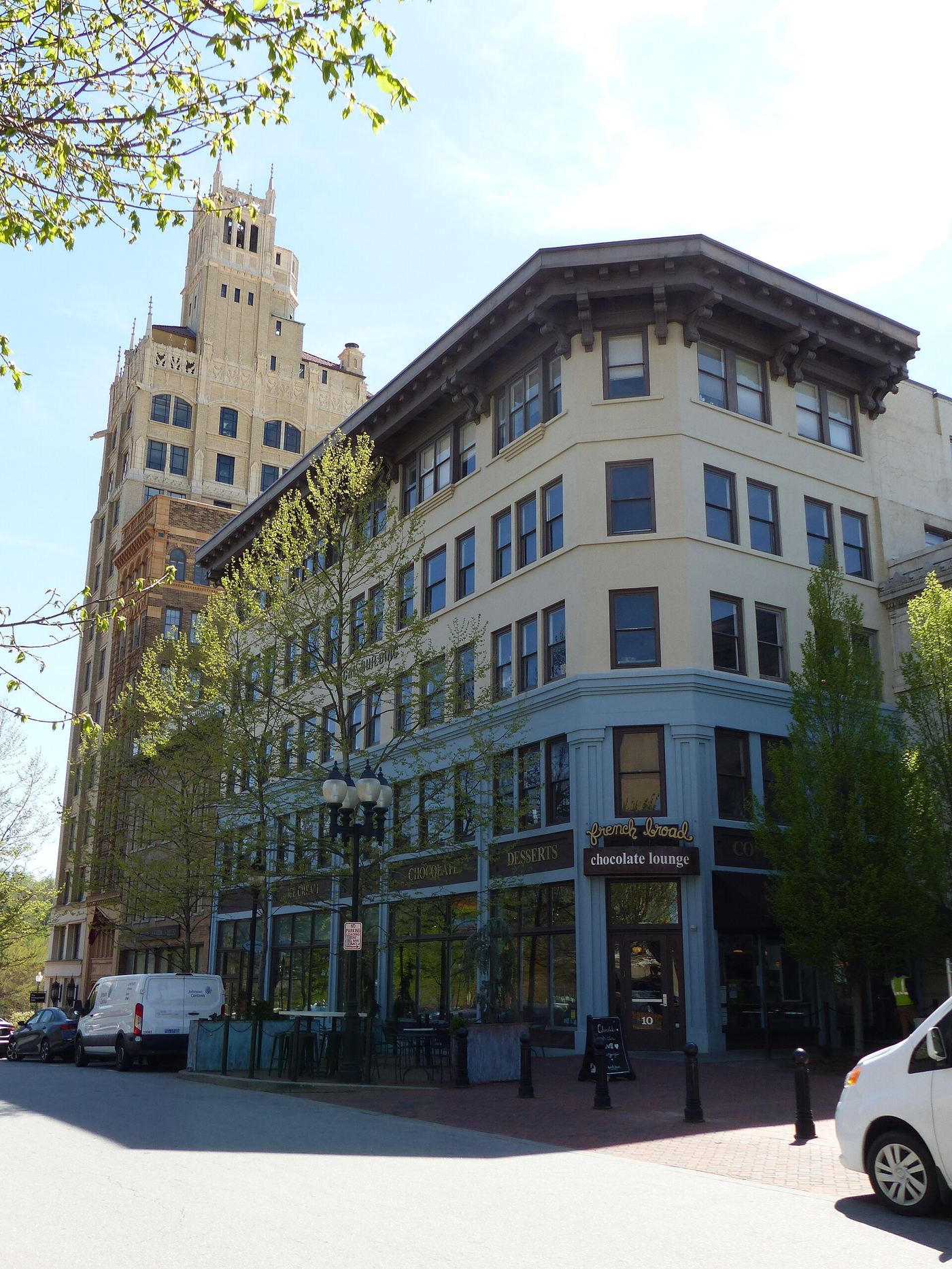
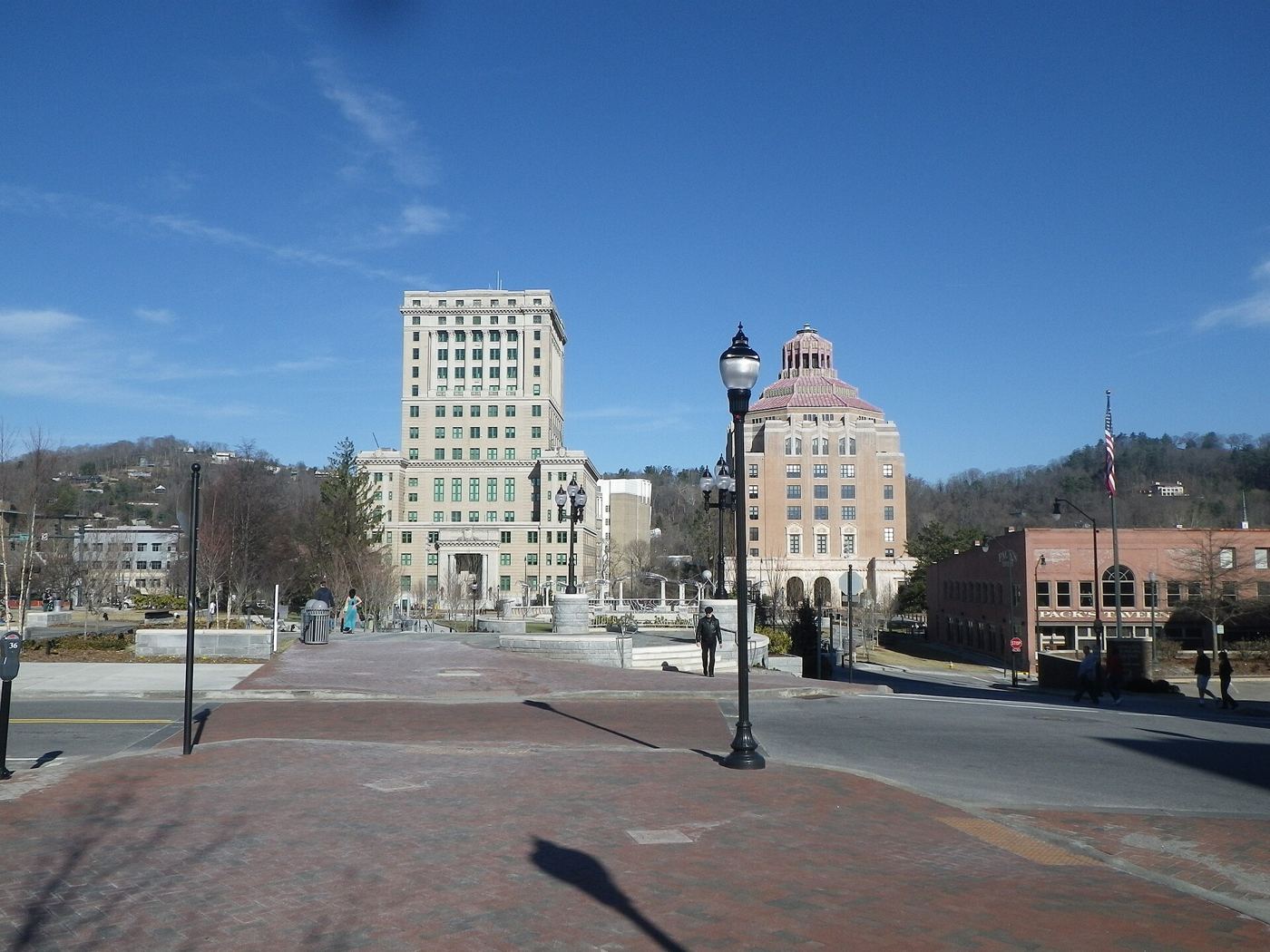
Only about 2,247 people actually live in the 28801 core, median age 43, 61% singles or non-family households. Tourism runs the place. The weekly Pritchard Park drum circle draws crowds, noise complaints are real enough that the city is rewriting the noise ordinance, and homelessness is an active, visible issue: 824 counted citywide in the 2026 Point-in-Time survey, up 9.1% year over year, with the city now running a formal Downtown Plan and joint weekend patrols. You'll see it in the core blocks regularly. It's not fringe, but it's not all-consuming either.
Post-Helene, downtown itself came through largely intact physically. Bars and restaurants were "abuzz" within weeks. The RAD and county areas took the real damage.
Parking is the other daily headache. Garage rates run $15/day, there's no real residential permit system, and as of August 2026 the city has closed the Rankin Ave deck and Wall Street garage for an $11M rehab, pulling roughly 460 spaces, nearly half of downtown's public capacity, through early October.
Walkability
Walk Score 89, the most walkable neighborhood in Asheville, with individual addresses hitting 87-97, Walker's Paradise territory. That's against a citywide score of just 37. This is the only neighborhood where car-optional daily life is actually realistic.
Coffee
The best scene of the three. The Rhu, Rowan Coffee, Malaprop's (an institution since 1982, Counter Culture beans), Bebettes inside the Historic Grove Arcade, The Times Bar & Coffee Shop, Deep Time Coffee, Summit Coffee. All walkable from anywhere downtown.
Breweries & food
South Slope is basically a walkable extension of downtown: Green Man, Hi-Wire's original brewhouse, Wicked Weed Funkatorium, Burial Beer's main taproom, Asheville Brewing, Twin Leaf. RAD is 1.5 miles, a short drive, adding New Belgium, Wedge, and River Arts District Brewing. On food, The Market Place has been serving since 1979 with James Beard nods in 2024 and 2025, Cúrate is a James Beard winner, plus Chestnut, Tupelo Honey, Posana, HomeGrown, The Admiral, Jettie Rae's. This is the deepest food and beer scene in the city, full stop.
Grocery
French Broad Food Co-op sits right downtown, genuinely walkable. Harris Teeter and Trader Joe's are just north on Merrimon, an easy walk or very short drive. One correction worth knowing: Whole Foods' new store is in East Asheville, a real cross-town drive, not the "basically downtown" people sometimes assume.
Housing
Median home price sat at $859,000 in February 2026, average sale $742,961. By July 2026, median list had softened to $797K, down about 9% year over year, $721/sqft. Condos: 41 active listings, $350K to $4.6M, averaging 110 days on market, a slow-moving segment. The stock here is condo and loft, newer towers mixed with adaptive-reuse buildings in old commercial blocks. There's no single-family option downtown.
Riding
Central location means the shortest average drives of any neighborhood, but it's still a car every time. Nothing rides from downtown's door.
- Bent Creek 15-20 min
- DuPont 52 min
- Pisgah 42-45 min
- Kolo Bike Park 10-15 min
Our take
Downtown is the only neighborhood on this list where you could genuinely live without a car day to day, Walk Score 89, walker's paradise, and the coffee and food scene is the best of the three by a wide margin, Malaprop's, Cúrate, South Slope a short walk out. It comes with real costs: a parking system currently down 460 spaces through October, a visible and actively-debated homelessness situation, and housing stock that's condo-only, no yard, no single-family option. Riding always means loading the car here, same as everywhere else in this guide, so it isn't a mark against downtown specifically. If walkable daily life and the best breweries and restaurants in town matter most, this is the pick.